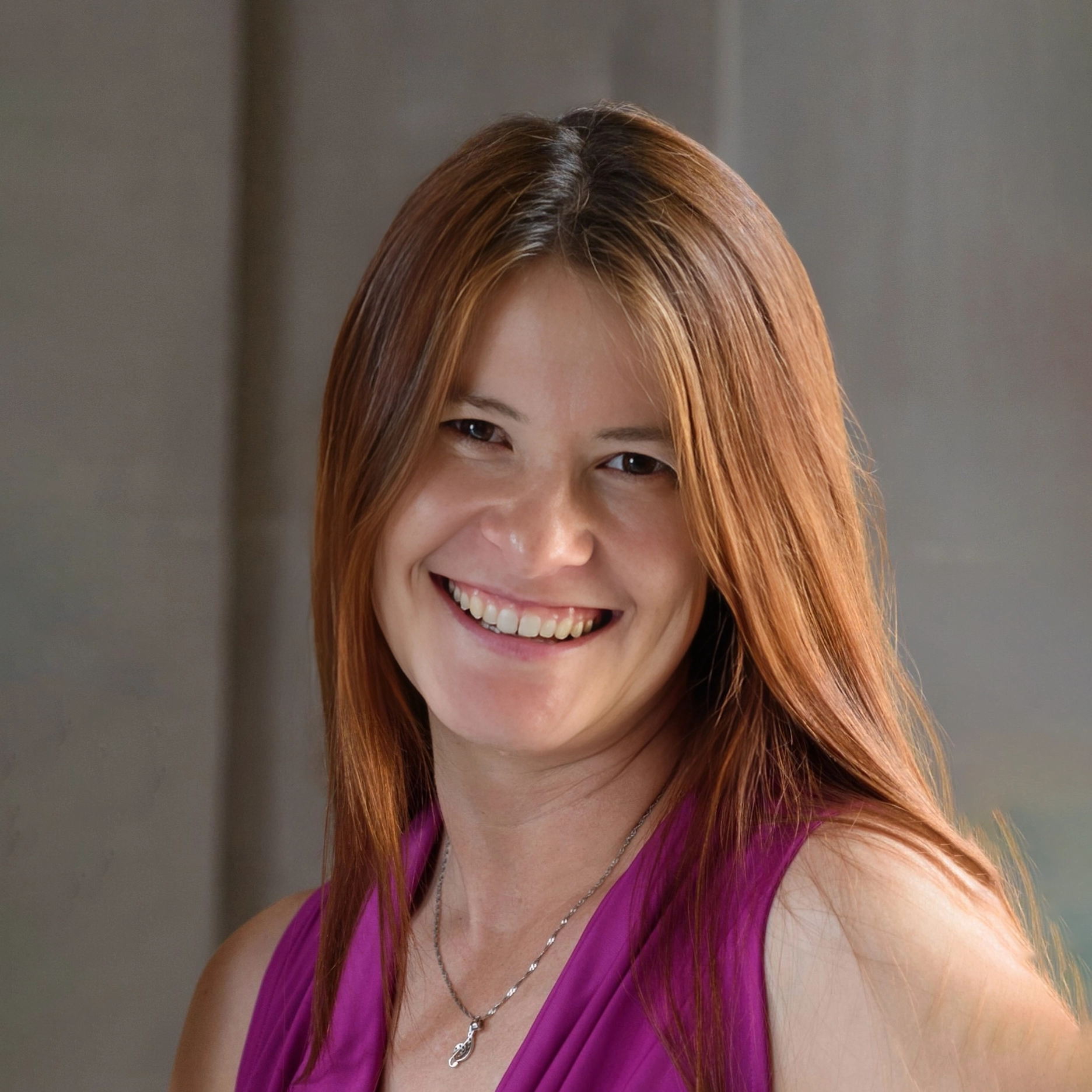
Toni Bailey
Patient-Centered AI Operations
I've spent my whole life learning to see the whole picture — through a camera, across an ocean, in lines of code. It took medicine thirty years to do the same for me.
A life of paying attention
Before any of this, I was a photographer. For sixteen years I ran Toni Bailey Photography out of San Francisco — a City Hall specialty, more than a thousand weddings, and ceremonies from Spain and England to Jamaica, Mexico, and Italy. The work was really one skill practiced over and over: noticing. The shift of the light, a glance across a room, the small true moment that holds the whole day.
That same restlessness pulled me offshore. I'd sailed my whole life, but the 2018 Pacific Cup was my first ocean crossing — and the one that got me hooked. After that the water was home: I lived aboard, sailing from Hawaii, to the mainland, down through Baja, the Sea of Cortez, and the west coast of Mexico, and I ran deliveries between Hawaii, the mainland, and Mexico. I'm a U.S. Coast Guard–licensed Master, and offshore you don't get to fix one gauge and ignore the rest — you read the whole sky and the whole sea at once, or you don't make it in.
When I came ashore for good, I carried that habit into building things — websites, interfaces, the words inside them. Different tools, same instinct: see the whole first, then care for every part.
“What is actually happening to this patient?”
I could read a whole ocean. What I could never get anyone to read was me. For as long as I can remember something was wrong, and I had the doctors and the visits to prove it — but every appointment ran the same way: a new symptom, a single-issue fix, and out the door.
- Fatigue?You're tired from caregiving.
- Low labs?They're fine.
- Can't focus?Adderall.
- Knee pain?Walk on the flat.
- Neck pain?Celebrex.
Not once did anyone step back and ask the only question that mattered: what is actually happening to this patient?
Then, in January 2026, after thirty years of loose threads, one word finally tied them together: fibromyalgia. Not a cure — a frame. The whole picture, at last. I knew that feeling: it was the one I'd been chasing my whole life, only this time it was pointed at me.
Building the thing I went without
So I set out to build it. With my partner and soulmate, Ken Mendoza, I co-founded Oregon Coast AI, and I'm Director of Operations at MendozaLab — patient-centered AI operations, building research infrastructure from the patient's perspective. The premise is the one my own care never managed: look at the entire system, not one symptom at a time.
Oregon Coast AI turns first principles into patentable technology for human-need systems.
It's the same attention I first learned behind a camera and offshore — now aimed at the problems that nearly slipped through the cracks of my own life, and at the people living through their own undiagnosed years. I write about all of it, as honestly as I can, at Fibro Hub.
Co-Founder, Oregon Coast AI·Director of Operations, MendozaLab·Chief Creative Officer, Waves & Algorithms
The person beside me
Through all of it — the diagnosis, the building, the ordinary days — Ken has been my steadiest harbor. We share a home on Alsea Bay in Waldport, Oregon, with a fifteen-year-old tabby named Samba who runs the household and a dog named Kona who'd like a word about that. After a life spent chasing horizons, it turns out the whole picture was right here all along.
A Small Constellation
Get in touch
For collaborations, conversations, or coffee on the coast.
- Email — tonibaileyphotos@gmail.com
- LinkedIn — linkedin.com/in/tonibaileymendoza